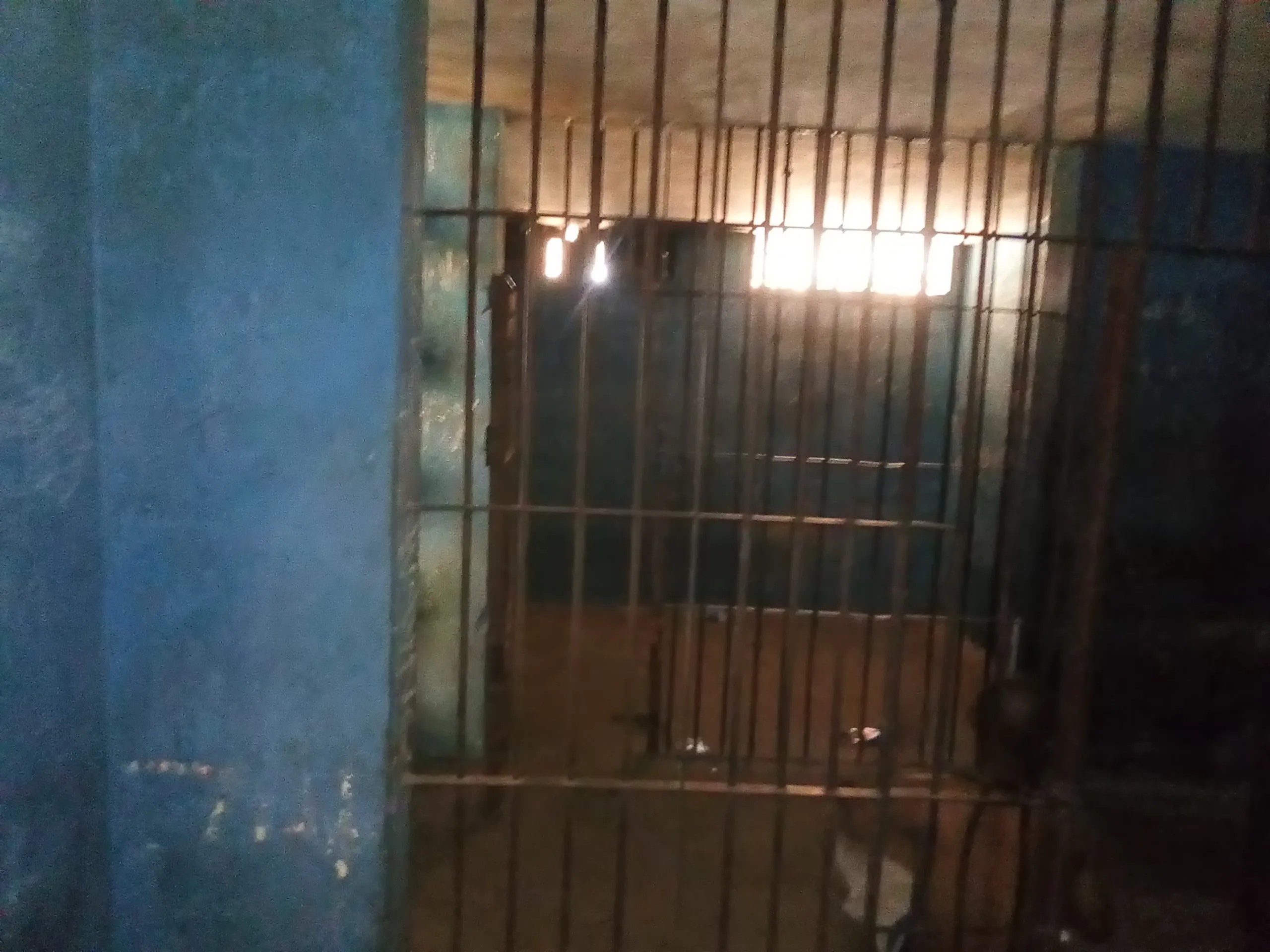
The question of who controlled access to the holding cells at Nairobi Central Police Station took centre stage on Tuesday as the murder trial over the death of blogger and teacher Albert Ojwang continued before the High Court in Kibra.A protected prosecution witness, a police constable with a decade of service in the National Police Service, told Justice Diana Kavedza that authority over the detention area rested with the officer assigned as the cell sentry, regardless of the rank of any officer seeking entry."The cell sentry takes charge," the witness said, describing the command structure within the station.She explained that once suspects were booked into custody, responsibility for them shifted to the cell sentry, who controlled access to the holding cells and determined who could enter."When suspects are taken to the holding cells, the cell sentry is responsible," she testified.According to the witness, only a limited number of people were permitted inside the detention area."Outside the cell sentry personnel, the investigating officer and those who supply food are allowed in," she told the court.She added that police officers could not enter the cells at will."For a police officer to have access, the cell sentry has the power to allow or stop the officer from entering the cells," she said.During cross-examination, defence lawyers questioned whether senior officers could override those procedures. The witness maintained that the protocol applied to everyone, including the Officer Commanding Station (OCS).She also told the court that if security around the holding cells was compromised, immediate measures were taken."If keys are in the wrong hands, it's reported to the OCS, and immediately the padlocks are changed," she said.The witness went on to describe how the station operated, explaining that officers worked in day and night shifts, with formal handovers between teams."There are two shifts, morning and night," she said, adding that each shift involved an official handover.She also testified that the duty officer remained on duty for 24 hours and was expected to inspect the holding cells regularly."The duty officer should make rounds at the cell several times," she said.The court heard that Police Constable Peter Kimani was serving as the cell sentry on the night in question, while co-accused Police Constable James Mukhwana was not assigned to that role.Attention later turned to CCTV footage recorded inside the station.Justice Kavedza directed that part of the footage be enlarged to allow closer examination of individuals captured near the holding cells.The witness identified what appeared to be five people in one clip but said she could not determine the object one individual was carrying."I can't figure out what it was," she said.Referring to footage timestamped 10:45 p.m., she testified that it appeared to show one person running from the left before two others followed, with one seemingly emerging from the washroom area.Asked who would have been responsible for activities around the cells at that time, she repeated: "The cell sentry."The defence also questioned the witness about the station's CCTV system and a technician identified only as Dan.She confirmed that she had contacted the technician and asked him to report to the station but denied instructing him to bring any equipment."I called Dan, but I didn't pay him, and I don't know whether he was paid," she testified when asked whether he had been compensated for work carried out on June 8, 2025.Further cross-examination focused on footage showing officers and two unidentified men moving through the station.The witness identified Police Constable Peter Kimani as the uniformed officer seen in blue in one of the clips.According to her testimony, footage timestamped at 10:25:15 p.m. showed PC Kimani closing a door before two unidentified men walked towards an area near the property section.She clarified that although Kimani was seen operating the door, he did not enter the holding cells."PC Kimani is not in the cells. He opened the door," she said.The witness also told the court that after reviewing the footage, she questioned both the OCS and the Deputy OCS about the presence of the two unidentified men."I asked the OCS and Deputy OCS why the two unidentified males were coming," she testified. "They never responded."She added that she also sought an explanation about the earlier claim that the detainee had struck his head against a wall but said she received no answer.The murder trial continues before Justice Diana Kavedza. The accused have denied the charges, and the court is expected to hear further prosecution evidence as proceedings continue.
The question of who controlled access to the holding cells at Nairobi Central Police Station took centre stage on Tuesday as the murder trial over the death of blogger and teacher Albert Ojwang continued before the High Court in Kibra.
A protected prosecution witness, a police constable with a decade of service in the National Police Service, told Justice Diana Kavedza that authority over the detention area rested with the officer assigned as the cell sentry, regardless of the rank of any officer seeking entry.
"The cell sentry takes charge," the witness said, describing the command structure within the station.
She explained that once suspects were booked into custody, responsibility for them shifted to the cell sentry, who controlled access to the holding cells and determined who could enter.
"When suspects are taken to the holding cells, the cell sentry is responsible," she testified.
According to the witness, only a limited number of people were permitted inside the detention area.
"Outside the cell sentry personnel, the investigating officer and those who supply food are allowed in," she told the court.
She added that police officers could not enter the cells at will.
"For a police officer to have access, the cell sentry has the power to allow or stop the officer from entering the cells," she said.
During cross-examination, defence lawyers questioned whether senior officers could override those procedures. The witness maintained that the protocol applied to everyone, including the Officer Commanding Station (OCS).
She also told the court that if security around the holding cells was compromised, immediate measures were taken.
"If keys are in the wrong hands, it's reported to the OCS, and immediately the padlocks are changed," she said.
The witness went on to describe how the station operated, explaining that officers worked in day and night shifts, with formal handovers between teams.
"There are two shifts, morning and night," she said, adding that each shift involved an official handover.